Net Metering Application with Hydro-Québec — The Complete Step-by-Step Guide
Net metering: the Hydro-Québec application filled out live, step by step.
Episode Description
Thinking about installing solar panels in Québec? Then net metering is non-negotiable. It's the Hydro-Québec program that allows you to get your surplus solar production credited directly on your electricity bill.
But between the application form, technical documents, mandatory certifications and standards to meet — there are plenty of pitfalls. One mistake, and your application gets rejected.
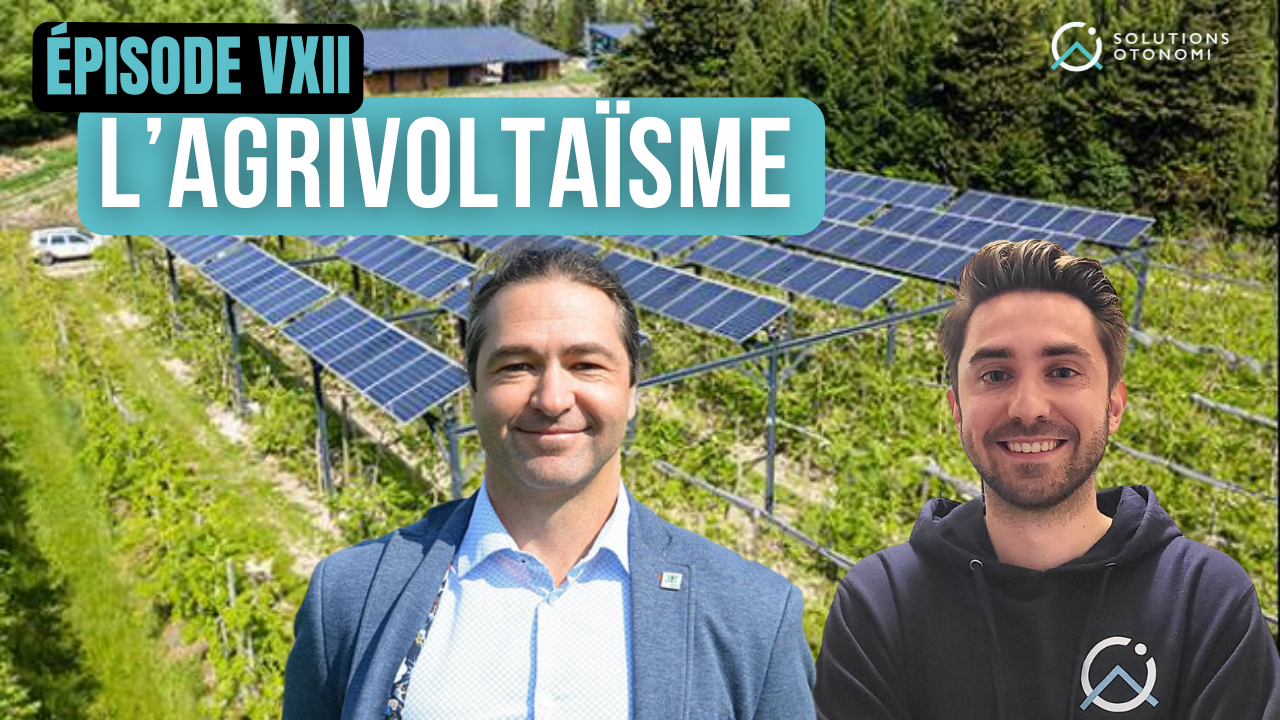
In this episode, we decided to show everything. Solutions Otonomi sits down with Sébastien Muniz, an experienced solar installer, to fill out the net metering application live, step by step. No theory — just a real walkthrough of what actually causes problems in the field.
In this episode ☀️
- The 6 steps of the application form broken down one by one
- The mandatory certifications required for the equipment to be installed
- Single-line diagrams: exactly what Hydro-Québec expects
- Common mistakes that lead to rejected applications — straight from Sébastien's field experience
- Roofing, batteries, urban planning and upcoming subsidies: what's coming next
Who is this for?
Whether you're an individual preparing your first solar project or a professional venturing into grid-tied installations in Québec, this episode helps you arrive prepared — before the process becomes a headache.
About the guest 🎙️
Sébastien Muniz, solar installer at SoluSolaire. A hands-on field practitioner, Sébastien shares his concrete experience navigating the net metering process in Québec. You can also catch his first appearance on the podcast, about hybrid solar.
Links
🎥 YouTube: here
🎧 Spotify: here
🍎 Apple Podcast: here
▶️ YouTube Music: here
🔗 Hydro-Québec self-generation page: here
FAQ
Who can submit a net metering application to Hydro-Québec?
You must own the building where the system will be installed, but the application itself must now be completed from start to finish by a master electrician or an engineer. A homeowner can no longer submit it alone. Sébastien Muniz recommends that customers ask to be copied on the emails exchanged with Hydro-Québec.
Which documents must be provided with the application?
Customer and meter information, a description of the work and equipment, a single-line diagram of the installation, and proof of the inverter's certifications with its data sheets. After installation, the master electrician submits a verification report with photos, including the neutral connection, and screenshots of the inverter's protection settings.
Which inverters are accepted for net metering?
Only those that meet the certifications required by Hydro-Québec, including UL 1741 SB, and that can communicate with its systems. Portable solar generators, even powerful ones, are not certified and will get the application rejected. It is best not to buy anything before checking compliance with a professional.
Do you need a transfer switch?
According to Sébastien Muniz, a system with backup batteries now needs a disconnect or transfer device, manual or automatic, that lets you bypass the inverter. It adds a few hundred dollars to the quote, but if the inverter fails, you can switch manually back to Hydro-Québec's grid and keep the power on.
Can you install the system before Hydro-Québec's approval?
Hydro-Québec asks you to wait for its approval before buying and installing equipment, and above all before exporting to the grid. Timelines vary, so plan a realistic commissioning date. Once official approval is received, protection settings are locked with a password and the customer should not change them.
Update (March 2026): since the episode, the subsidies mentioned have taken effect. Since March 31, 2026, Hydro-Québec has offered $1,000 per installed kilowatt, up to 40% of the eligible cost, through LogisVert for homes.